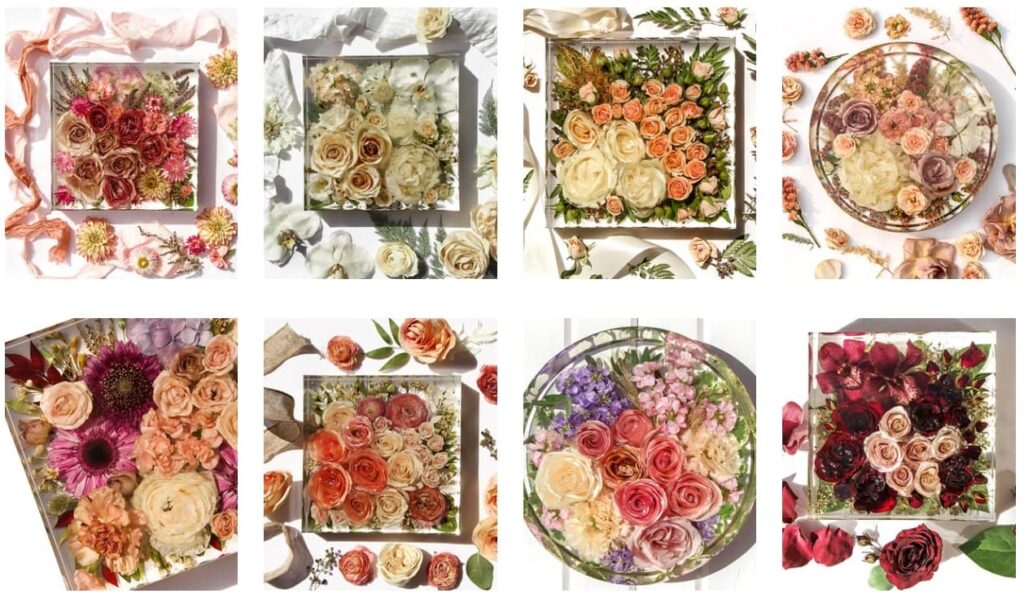
Blowsy, precocious and seductive are words often applied to roses.
These are words you rarely hear describing other flowers. The rose
has its own following, its aficionados, who revel dreamily in the
perfume, form and sheer beauty of its blooms. On a warm summer's
evening, a stroll in an English rose garden ranks among the best of
life's experiences.
But an English rose garden has a power to enchant even in pouring
rain. I was recalling such an occasion on one of our tours with a
visitor, when I met her back in her own garden in New Zealand two
years later. It transpired that we had both had a lump in our throats
as we turned the corner into the rose garden at Castle Howard in
North Yorkshire under our umbrellas on a warm wet summer's afternoon.
There, under weeping silver pear trees, the roses were sadly inviting
us in, with tears tumbling down their petals.
I personally believe roses belong on balustrades and pergolas in
gardens like Heale House in Wiltshire and Hestercombe in Somerset,
but I'm a romantic. Others see them as a breeder's challenge. The
climate in England was kind to species brought in as guests from far
off lands in times of old and they soon became residents, grew up,
bred and cross bred. Today we have a rich variety of hybrids and
cultivars. The Victorians invented the formal rose garden where they
could display their horticultural prowess. Such gardens are still
popular in municipal parks and in the gardens of rose breeding
enthusiasts.
Peter Beales in Norfolk and David Austin in the West
Midlands both have lovely little rose gardens at their famous
nurseries, but the best place of all for un-restrained variety is the
Garden of the Rose in Hertfordshire. This is the home of the Royal
National Rose Society and is sheer paradise for rose lovers at the
height of the season. Like a big game hunter, you can stalk the
rosebeds with your camera in search of perfect blooms to add to your
collection of beautiful rose photos.
Kiftsgate garden in Gloucestershire is claimed by the family to have
the largest rose bush in England, being 80ft x 90ft x 50ft high. It's
a memorable sight when in flower, covered with panicles of white
blooms, each consisting of 300-400 flower heads.
The best time to visit rose gardens in England is in late June and
July. The season tends to be later as you go north, so plan your
itinerary that way. Although roses need rain, they soon get battered
if it's too heavy, and mildew is a constant worry, so unless in a
microclimate, they seem happiest when growing in gardens at the drier center and east of England.
Get a free printed plant catalogue. Check out our online store loaded with your favorite fruit and ornamtental trees, ferns, bulbs, vines, perennials and much more!!